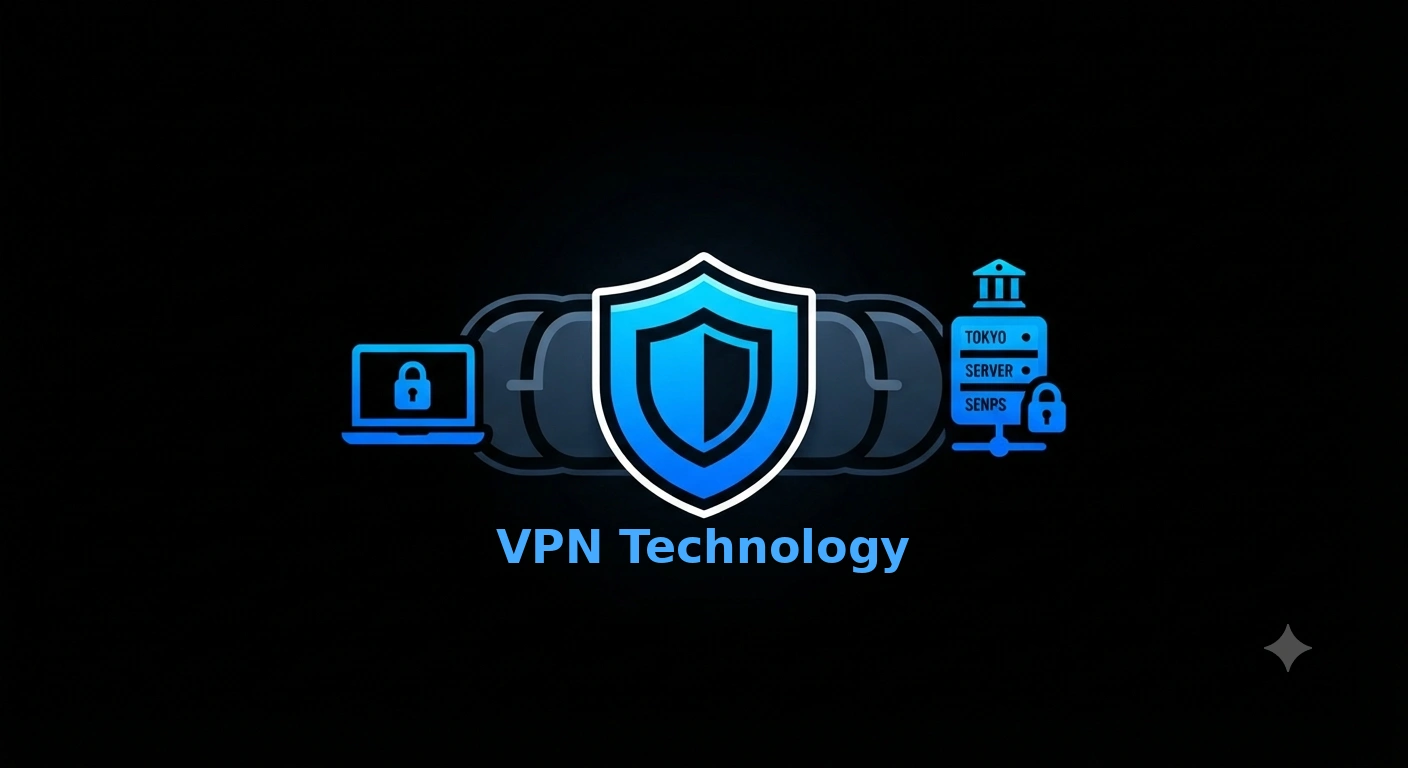
Every VPN app is built on top of a VPN protocol — the set of rules that decides how your traffic gets encrypted, packaged, and sent to a server. The protocol a VPN uses affects almost everything that matters to you: connection speed, battery life, how well it holds up on unstable networks, and — for anyone dealing with internet censorship — whether it actually gets through in the first place. This guide walks through the VPN protocol types you'll actually run into, in plain English.
What Is a VPN Protocol?
A VPN protocol is the technical foundation of your encrypted tunnel. Two apps can look identical on the surface while using completely different protocols underneath, and that difference is often the reason one connection feels instant while another lags or drops. When you're comparing VPN services, the protocol is usually a better predictor of real-world performance than marketing claims about "military-grade encryption."
OpenVPN: The Long-Standing Standard
OpenVPN has been around since 2001 and is still one of the most widely supported VPN protocols. It's open-source, has been audited extensively, and works reliably across almost every platform. Its main downside is speed: OpenVPN's encryption overhead makes it noticeably slower than newer protocols, especially on mobile connections. It's a safe, well-understood choice, but it's rarely the fastest option available today.
WireGuard: Fast and Modern
WireGuard is a newer protocol built around a much smaller, leaner codebase than OpenVPN — which makes it easier to audit and, in practice, significantly faster. It reconnects almost instantly after your device switches networks (say, from Wi-Fi to mobile data), which makes it a strong choice for phones. Its one limitation: WireGuard's traffic pattern is relatively easy to detect and block, which matters if you're on a network actively trying to identify and throttle VPN connections.
Shadowsocks: Built for Bypassing Censorship
Shadowsocks was designed specifically to get around firewalls that block conventional VPN traffic. Instead of behaving like an obvious VPN, it disguises your connection as ordinary encrypted web traffic, which makes it much harder for network-level filtering to single out and block. It's a popular choice in regions with aggressive internet restrictions, though newer protocols have since built on its ideas with even stronger obfuscation.
VLESS and Xray: The Protocol Behind Freemiga
VLESS is a lightweight protocol built on the Xray-core project — a modern evolution of the V2Ray ecosystem, designed from the ground up to resist deep packet inspection (DPI), the technique some networks use to detect and block VPN traffic by analyzing its patterns. VLESS strips out unnecessary overhead compared to older protocols in the same family, which means less latency without giving up the ability to blend in with normal HTTPS traffic. This is the protocol Freemiga runs on, specifically because it holds up well in environments where other VPN protocols get blocked outright.
Which VPN Protocol Should You Choose?
If you just want fast, reliable encryption on an open network, WireGuard is hard to beat. If you're on a network that actively blocks VPN traffic, a protocol built for obfuscation — like VLESS over Xray — is the one that actually gets you connected in the first place. Speed doesn't matter much if the connection never establishes.
Get Connected With Freemiga
Freemiga runs on VLESS/Xray specifically so it keeps working where basic VPN protocols get blocked, without sacrificing speed. Compare Freemiga's VPN plans and get connected on any device in a few minutes.