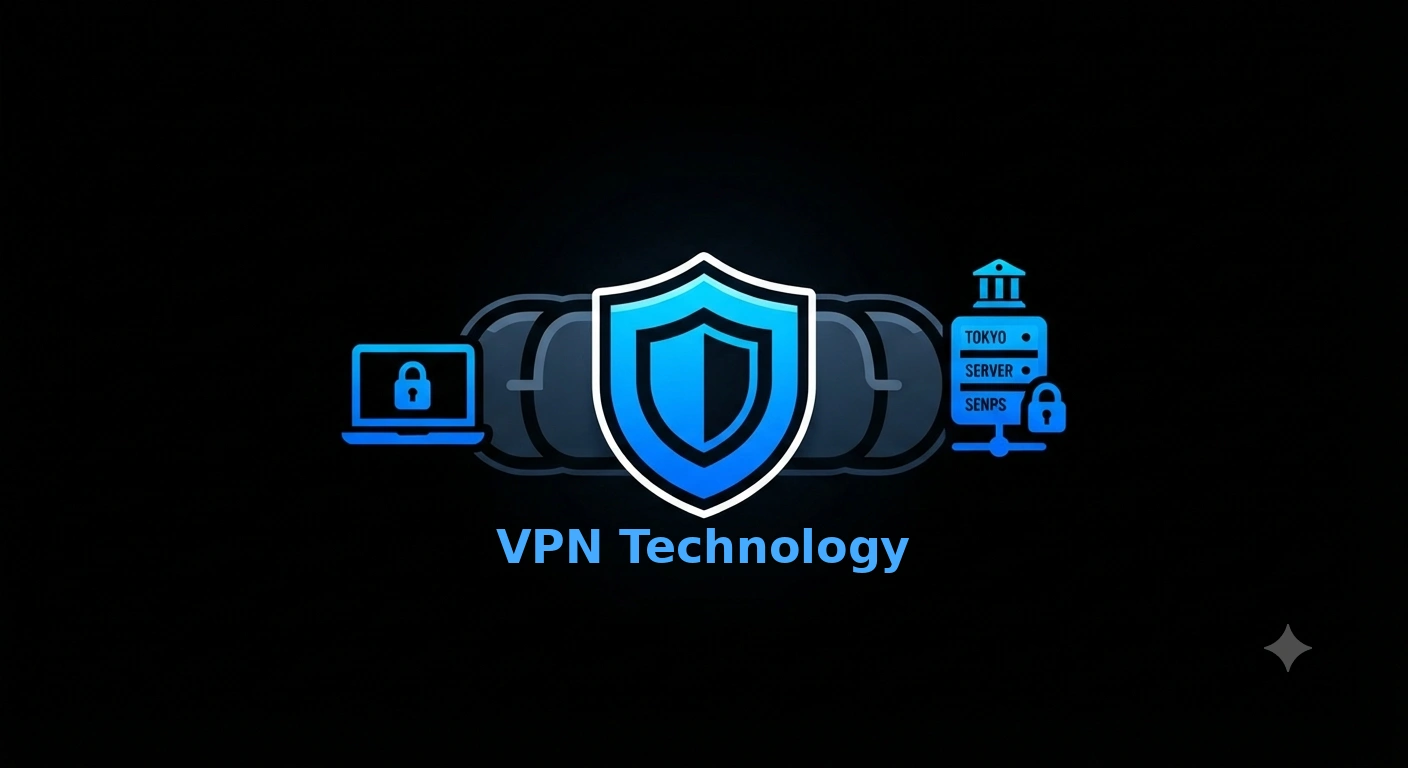
"VPN technology" covers a lot of ground — protocols, encryption standards, and a long list of features that vary wildly between providers. This is the big-picture view: how the pieces fit together, and what actually separates a serious VPN from a basic IP-changing tool.
Three Layers That Make Up a VPN
Every VPN connection is really three things working together: a protocol that defines how the encrypted tunnel is built and transported, an encryption standard that scrambles data so only the user and the server can read it, and a set of features built on top that determine how much real protection and control a person actually gets. Marketing tends to blur these together — understanding them separately makes it much easier to judge what's actually being paid for.
Layer 1: The Protocol
The protocol decides how a device and the VPN server talk to each other — and, critically, what that traffic looks like to anyone watching the network in between. Established protocols like OpenVPN and WireGuard prioritize speed and broad compatibility. On networks that actively detect and block VPN traffic, though, a different category of protocol matters more: ones like VLESS, built specifically to make a connection indistinguishable from ordinary encrypted web browsing. This is covered in full detail in our guide to VPN protocols, with an even deeper look at the VLESS/Xray stack Freemiga runs on in this breakdown of V2Ray, Xray, and VLESS.
Layer 2: Encryption
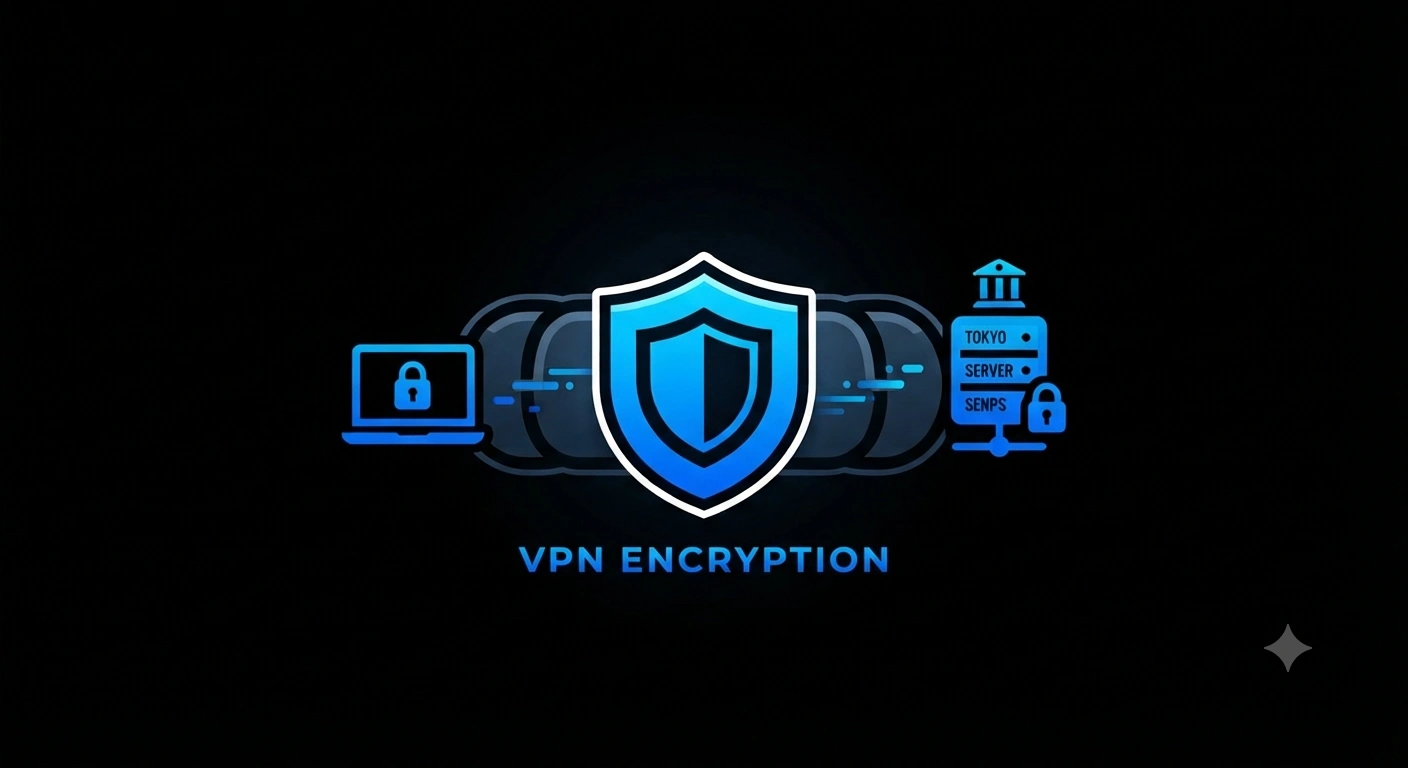
Encryption is what actually keeps the contents of traffic private once the tunnel is established — the difference between someone seeing scrambled noise versus real browsing activity. Modern VPNs rely on well-established, publicly audited ciphers (AES-256, ChaCha20), not proprietary "black box" encryption. This is broken down in plain language in our guide to VPN encryption.
Layer 3: The Features That Separate a Real VPN From a Basic One
Kill Switch
A kill switch blocks all internet traffic if the VPN connection drops unexpectedly, instead of silently falling back to a normal, unprotected connection. Without one, a brief disconnect can expose traffic that was assumed to be protected the entire time.
Split Tunneling
Split tunneling allows choosing which apps go through the VPN and which use the regular connection — useful when a specific app should always route through the VPN while everything else keeps local network speed.
Obfuscation
Obfuscation is what makes VPN traffic resistant to deep packet inspection (DPI) — the technique some networks use to detect and block VPN usage itself, not just specific sites. This is the single most important feature for anyone on a network that actively restricts VPN access, and it's a direct result of protocol choice (see Layer 1).
No-Logs Policy
Encryption protects traffic in transit, but the VPN provider itself can still see a user's real IP address and connection metadata. A genuine no-logs policy — not just a marketing claim — determines whether that information is ever stored at all.
Multi-Device, Simultaneous Connections
How many devices can use one subscription at once is a practical feature with nothing to do with security, but it affects whether a plan actually fits how someone uses it day to day.
How Freemiga Puts These Layers Together
Freemiga runs on VLESS over Xray with TLS (protocol layer), AES-256/ChaCha20-grade encryption via that TLS layer (encryption layer), and is built specifically to keep working on networks that actively try to detect and block VPN traffic — the feature that matters most for our users.
Frequently Asked Questions
Is newer VPN technology always better?
Not necessarily "better" in every sense — newer protocols like VLESS are specifically better at resisting detection on restrictive networks, while established ones like OpenVPN have a longer track record of independent security review. The right choice depends on the network in question, not just the release date of the technology.
Does stronger encryption mean a slower connection?
Modern ciphers like AES-256 and ChaCha20 are fast enough on any current device that the difference is negligible in practice. Connection speed is affected far more by protocol choice, server load, and distance to the server than by encryption strength.
What VPN technology does Freemiga use?
Freemiga runs on the VLESS protocol over Xray-core with TLS encryption, chosen specifically to stay connectable on networks that actively block conventional VPN traffic.
Get Started
Understanding every layer isn't required to benefit from it — Freemiga handles the technology, all that's needed is a plan and a compatible app. Compare Freemiga's VPN plans and get connected in a few minutes.