VPN and proxy get lumped together constantly, and it's easy to see why — both can change the IP address a website sees, and both are marketed as ways to "hide" your location online. But under the hood, they solve different problems, and picking the wrong one for what you actually need can leave you with a false sense of privacy. Here's the difference, without the jargon.
The Short Answer
A proxy reroutes specific traffic through another IP address. A VPN encrypts and reroutes all of your device's internet traffic through a secure tunnel. If all you need is to appear to browse from a different location for one site, a proxy might do the job. If you care about privacy, security, or getting a full, reliable connection on a restricted network, you need a VPN.
How a Proxy Works
A proxy sits between your browser (or a specific app) and the internet, forwarding your requests under its own IP address. It's typically configured per-app or per-browser, which means the rest of your device's traffic — other apps, background services, system-level connections — goes out through your normal, unprotected connection. Most proxies also don't encrypt the traffic between you and the proxy server itself.
How a VPN Works
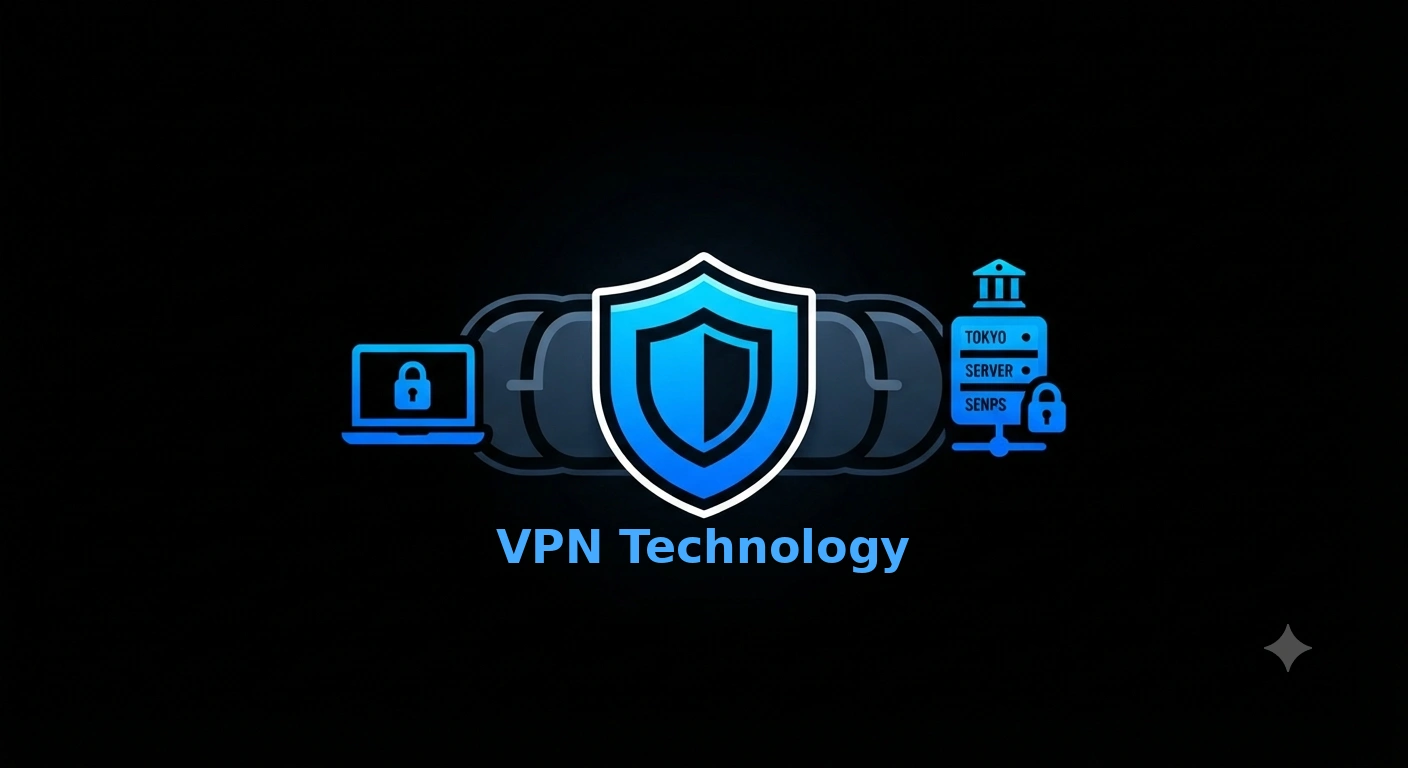
A VPN creates an encrypted tunnel between your entire device and a VPN server, at the operating-system level rather than the app level. Every app on your device routes through that same encrypted connection, and your ISP or anyone else monitoring the network only sees encrypted traffic headed to the VPN server — not what you're actually doing.
Speed, Security, and Privacy Compared
Proxies are often marginally faster for the one thing they're doing, since there's no encryption overhead — but that speed comes at the direct cost of security. A VPN adds a small amount of encryption overhead, but a well-run VPN with fast protocols (like VLESS over Xray) keeps that difference barely noticeable, while giving you real protection instead of just an IP swap.
Which One Do You Actually Need?
Reach for a proxy only if you have a narrow, low-stakes need — like checking how a website looks from another country — and nothing sensitive is involved. Reach for a VPN for anything involving personal accounts, banking, public Wi-Fi, or a network that's actively restricting your access to the open internet.
Why Most People Choose a VPN
In practice, most people who start out looking for "a proxy" actually want what a VPN provides: privacy from their ISP, protection on public networks, and a way to reliably get online when a network is blocking access. A VPN covers the proxy use case (changing your apparent location) while also solving the problems a proxy can't.
Get Started
Freemiga is a full VPN — encrypted, device-wide, and built on VLESS/Xray to stay reliable on restrictive networks. Compare Freemiga's plans and get connected in a few minutes.